Anyone who has ever shut down a museum after a late exhibition opening knows the feeling: the lights drop, the chatter fades, and your heartbeat suddenly syncs with the alarm panel’s countdown. That’s when the building reveals its weak points. Glass doors become invitations. Open circulation spaces turn into racetracks. Pivot doors that look gorgeous at noon feel flimsy at midnight. You can’t redesign the architecture every time you mount a show, but you can shape how people move, what they can reach, and how you stage your vulnerabilities. This is where accordion security gates earn their keep.
I have spent years working with collections managers, facility leads, and curators who need to protect seven-figure artworks and five-dollar donation boxes in the same footprint. They ask the same question in different ways: how do we secure the space without making the place look like a fortress? Expanding security gates, especially the accordion and scissor styles, are one of the few tools that pull double duty. They create mechanical access control and visual cues, then disappear when the public arrives. No drama, no architectural tantrums, just a quick glide and a click.
What accordion gates actually do for a museum
The obvious answer is “they keep people out.” The useful answer is they modulate risk in layers. Museums and galleries don’t just worry about smash-and-grab. They worry about after-hours strays during event breakdowns, sticky fingers near museum shops, and contractors wandering through a half-installed show. A good run of commercial security gates can stand in for a locked wall in ten seconds, then retract to a narrow stack that tucks beside a column.
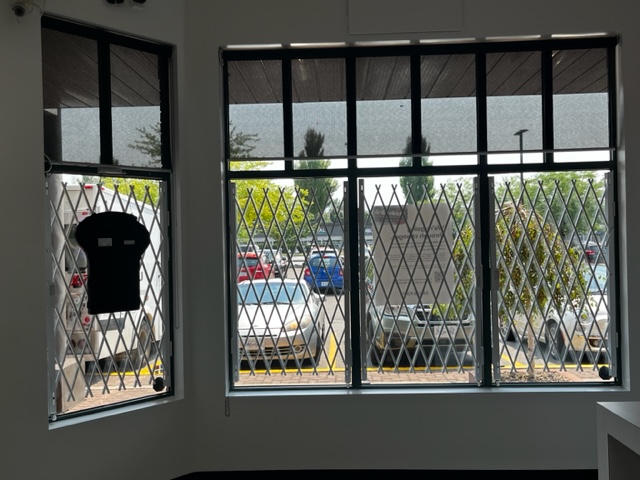
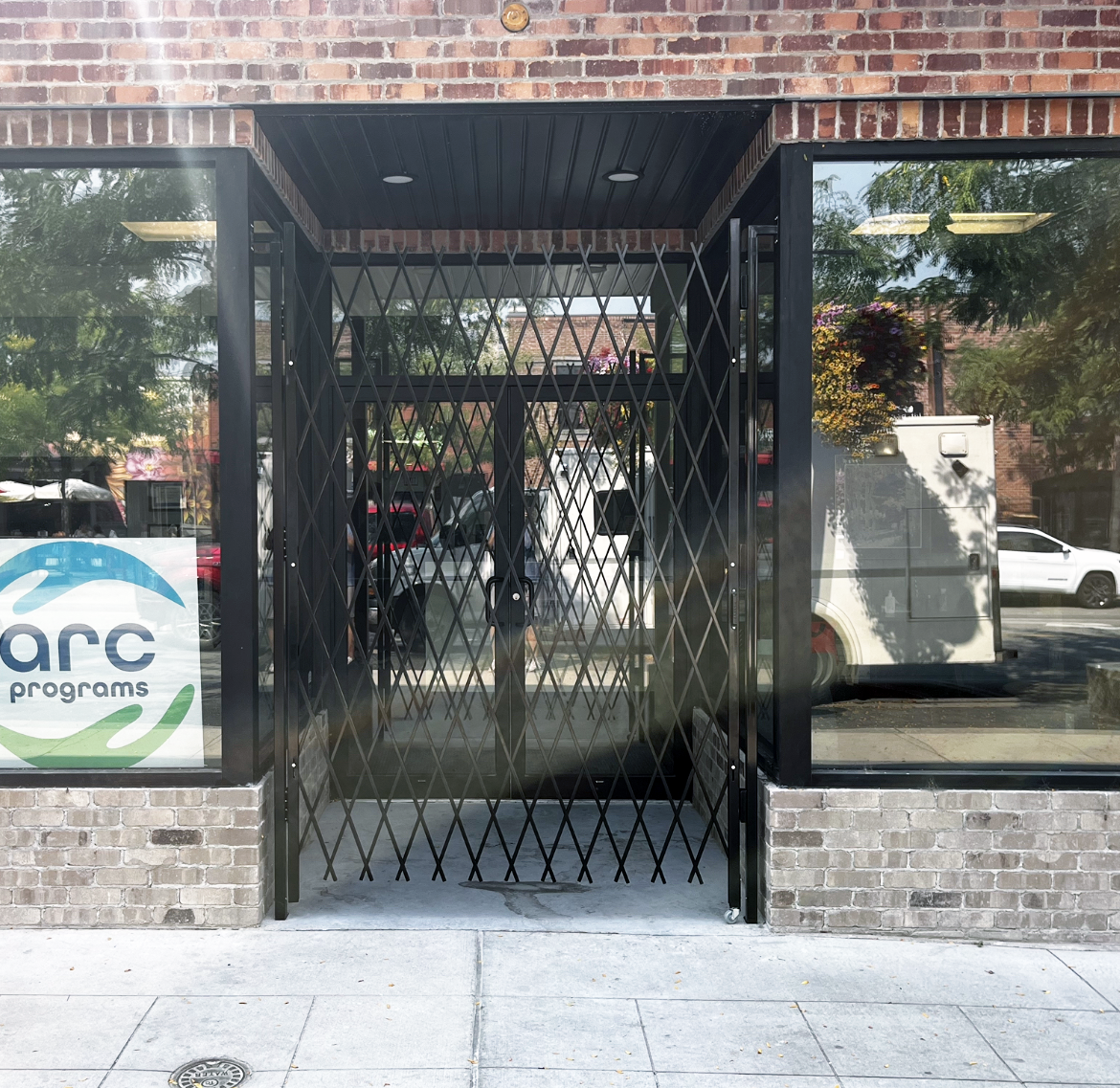
An accordion gate is essentially a lattice that expands across an opening and collapses to a stack. With scissor security gates, the structure crosses like a pantograph. You get visibility through the barrier, airflow, sprinkler coverage, and easy communication with staff on the other side. That visibility is not just aesthetic. It reduces the chance of someone trapping themselves in a closed off area, and it allows patrol to see the state of the space without unlocking it.
On the safety front, correctly specified gates meet egress requirements with panic hardware and quick-release features, or they are positioned so they don’t obstruct paths of egress at all. The nuance matters. You can secure a gallery entrance with a gate that locks to a floor pin, then add a keyed or coded release at staff height. If you have a fire rated corridor right behind the gate, the product selection and install details change. Talk to your authority having jurisdiction before you fall in love with a catalog image.
The museum problem set: daylight elegance, midnight control
Most museums want to keep doors propped open during operating hours to encourage flow. Evening rentals add another twist. A wedding party loves wandering, but your staff needs to keep them out of the print study center where every drawer holds something irreplaceable. Permanent walls are blunt instruments. An accordion security gate gives you a fast, reversible partition that respects the architecture.
I’ve seen them used to:
- Close the threshold to a special exhibition wing after floor hours during a donor dinner, while keeping the main hall open. Wrap an L-shaped museum shop entrance so the sales floor can be sealed without rolling down a shutter. Segment back-of-house corridors during construction phases, so contractors can stage materials near a freight elevator without gaining access to storage vaults.
Those scenarios share one trait. The building remains a public place, yet you gain a physical checkpoint that doesn’t require a guard glued to a stool. The gate does not eliminate the need for human oversight, but it reduces the number of bodies you need to post at awkward thresholds during events, which pays back every pay period.
Aesthetics that don’t fight the art
Galleries should not look like loading docks. A poor gate choice can sour a space. This is where finish options matter. Many expanding security gates come in powder-coated colors that match door frames, or a satin black that disappears in shadow. Stainless steel is common in modernist interiors, especially when the museum’s palette leans toward polished concrete and glass. I prefer matte finishes that don’t reflect spotlights.
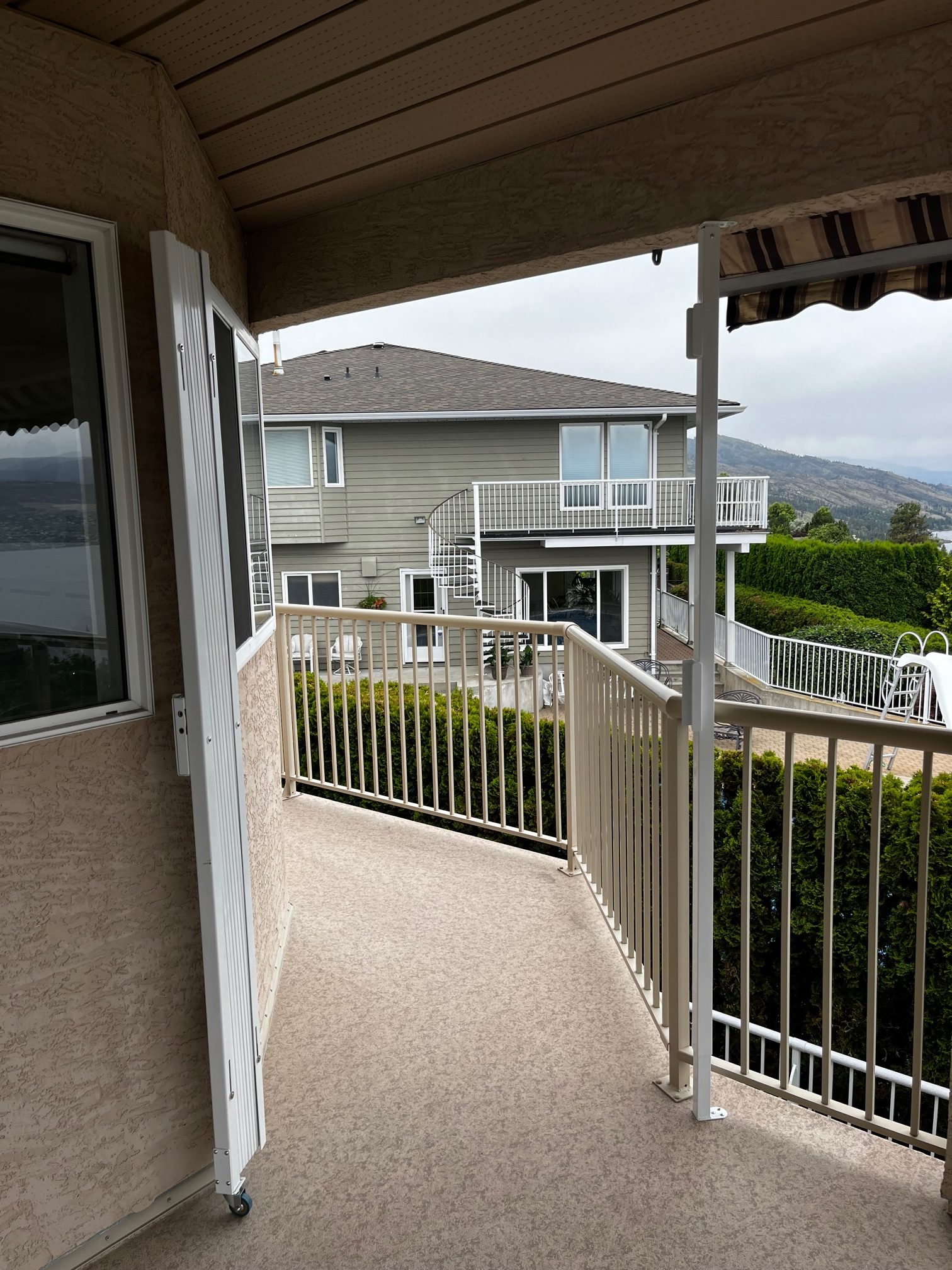
If you have a long runway of sightlines, choose a gate with a narrow stack. A clean jamb recess lets the stack hug a column, turning the hardware into a vertical shadow instead of a mechanical sculpture. When you order, ask the security gate supplier for exact stack dimensions per linear foot. If your clear opening is 20 feet, you might end up with a 10 to 18 inch stack depending on the model. That informs where you place electrical outlets, signage, and wall washers.
There’s a temptation to ask for full-height gates to the ceiling. Resist that unless you truly need it. Most museums are better served by gates that stop below transoms or soffits, so the header line stays tidy. Full-height gates can be heavy and require significant support, while a well-designed mid-height gate keyed to the mullion lines often looks intentional. The art should sing. The gate should hum quietly in the background.
Materials, mechanics, and the reality of weight
Expanding gates live and die by their pivots, rollers, and tracks. A cheap caster set turns into a grinding annoyance after a few months. Better models roll on nylon or sealed bearings, and they track true under uneven loads. In a museum, the floor is rarely a perfect plane. Historic floors slope. New floors conceal access lids. If you have a high-traffic threshold, opt for top-hung gates that use an overhead track, so the gate floats above a floor that might shift with humidity or building movement.
Steel remains the workhorse material. For coastal institutions or spaces with aggressive HVAC cycling, a galvanized or stainless option resists corrosion. Powder coat protects the surface and offers a color match to frames. Aluminum gates save weight, handy for retrofits where you fear overloading a drywall header that spans glass. But aluminum dents. If your staff moves crate dollies through the same line, steel is a safer bet.
Pay attention to lock points. A single side latch at knee height invites tampering. Better doors use top and bottom locking rods or a robust hook bolt that grabs a jamb receiver. You can integrate a cylinder that matches your master key system, which avoids the pocketful-of-keys problem that plagues many facility teams.
Code, egress, and the smart way to avoid red tags
Fire code is not a mood. It is a set of obligations. Accordion security gates can be fully code compliant, provided you plan the opening, swing direction, and release hardware with your AHJ early. Never block a required exit path with a locked barrier during occupancy. If the gate must sit in an egress line for after-hours application, use a model with panic egress that releases with one motion. Some jurisdictions allow a keyed lock after hours only, others require electrified release tied to the fire alarm. Ask first, buy second.
Clear width is another perennial issue. An outswing door might reduce width enough that, once you add a gate stack, you fall below minimum. You can mitigate with a pocketed stack, a shallower profile, or a split gate that opens from center to reduce stack per side. In renovation projects, you might install the gate on the secure side of a vestibule so your public line remains free.
One more practical note. Gates are not fire rated. If you need compartmentalization, the gate is a supplemental barrier inside an already rated envelope. Your facility plan should treat the gate as access control, not life-safety separation. Keep your sprinkler and smoke detection coverage continuous across the gate line.
Where accordion gates beat other options
I love architectural glass and steel as much as the next gallery nerd, but some security approaches clash with museum needs. Rolling shutters are robust, yet they scream retail and require headbox space that many historic lintels cannot hide. Swing doors work for narrow openings, but galleries grow wider than any sensible leaf size. Rope stanchions are theater. They communicate intent without stopping a determined person.
Expanding security gates offer a few advantages that routinely win in museums:
- Quick changeover. A single staffer can secure a 12 to 20 foot opening in seconds, no key fob, no ladder, no drama. Visual permeability. The public sees a boundary and, just as important, security sees through it. Cameras retain coverage. Tight storage. The gate vanishes into a stack that occupies inches, not feet. Gentle with finishes. Top-hung systems spare delicate floors and historic thresholds. Integrates with existing doors. You can layer an accordion gate behind a glass leaf to keep the daytime look and add after-hours control.
None of this is magic. It is the practical reality of balancing open space with defined boundaries in institutions that do not have unlimited staff or budget.
Use cases that actually happen on a Wednesday night
Galleries hosting traveling exhibitions live in a storm of crates, contractors, and deadlines. During install, the main wing might be dark to the public while the lobby hosts a fundraiser. With a scissor security gate across the gallery entrance, you can push crates from the loading dock to the show floor, then lock the gate when guests arrive without hauling a plywood wall into place. It is the difference between a 30 second close and a three hour reconfiguration.
Museum shops benefit even more. Retail wants flow. Security wants limits. A well-designed gate lets you leave the storefront open to daylight, then secure after cash-out while the lobby remains active. Some shops use a curved track that follows the plan geometry, hugging a radius wall so the gate feels like part of the space even when closed. If you have a café, this trick also helps you close food service while leaving the foyer open for lectures.
Study centers and print rooms are another classic. You need to keep the public out unless a staff member escorts them. An expanding gate at the hall entrance communicates the rule without creating a bunker. When researchers arrive, the gate slides away and the space feels fully integrated.
Integrating with electronics, without getting handcuffed by them
The trend in security is to electrify everything. That can be great for audit logs and centralized control, but it also creates dependencies. When a transformer dies at 6:15 pm during a ticketed opening, you still need to close. Mechanical expanding security gates are resilient. They can be keyed into existing systems with simple cylinder changes. If you want electrification, select electrified strikes or magnetic locks that integrate with your access control, and wire the release to the fire panel for code compliance.
Do not hang heavy electrified hardware on a flimsy lattice. Choose a gate model designed to carry the hardware weight and keep surfaces protected. Surface conduit near art is a nonstarter. Plan a tidy pathway in the header or jamb during renovation. I have seen elegant installs where the conduit lives in a hollow mullion and emerges at a concealed swivel, leaving no visible cord. It takes a bit of shop time. It saves a decade of grimacing.
Noise, the secret deal-breaker
A noisy gate will make your front-of-house team hate you. Rollers that rattle over a floor track next to an opening night toast do not win hearts. If your gate lives in a public acoustic zone, specify soft-roll components. Avoid floor thresholds when possible, and if you cannot, recess them flush and choose rollers that glide rather than clatter. A tiny bit of silicone maintenance goes a long way. Schedule it. A squeak at 8 pm is a squeak you chose six months earlier.
What to ask a security gate supplier before you buy
Every good purchase starts with sharper questions. The vendor should be able to speak in specifics, not adjectives. You want statements that can be measured, not “robust,” “premium,” or “museum grade.” If you work with a local security gate supplier, especially if you are in a mid-size market like expanding security gates Kelowna or similar regions, you can often get a site visit and a mock stack in a day or two. That hands-on test reveals more than any catalog page.
Bring these topics up early:
- Exact stack dimensions per foot and per opening, with shop drawings that show the parked profile. Load requirements for headers and any needed backing plates, with calculations if you are hanging from historic fabric. Lock hardware compatibility with your keyway and access control, including panic egress options and fire panel integration. Finish samples in your actual light. Powder coat chips can lie under LEDs. Service and warranty terms, especially roller replacements and response times.
Good vendors volunteer maintenance tips and installation tolerances. If your questions are met with vague enthusiasm rather than clear answers, keep shopping.
Maintenance is not glamorous, but it decides everything
The nicest gate turns into a wobbly nuisance if nobody maintains it. The schedule is light, which is probably why it gets ignored. Put it on your calendar. Vacuum grit out of the track, check fasteners at the anchor points, lubricate pivot joints with a manufacturer-approved product, and test release hardware monthly. Security gates for business use live longer than residential equivalents, but they still prefer kindness.
Train staff on correct operation. Many bent tracks result from rushing a close while the gate is misaligned, or trying to muscle a locked latch. In galleries, the people who lock up are often part-time guards or front-of-house staff. A three minute demo with a laminated card near the stack will save you a service call.
Risk profiles, or how to spend money where it counts
Not all galleries face the same threats. A university gallery hosting student shows has different risk than a major institution with jewel-like loans. Define what you are trying to stop. Opportunistic theft? Casual intrusion after hours? Vandalism during a controversial show? For smash-and-grab with tools, glass and gate are only part of the story. You need laminated glazing, robust framing, and delayed egress that buys time for response. For wandering guests at an event, a standard accordion security gate and a staff pass is enough.
If your insurance underwriter sets requirements, ask them to review your plan. Insurers often prefer visible barriers that reduce temptation. An open corridor invites mischief even when cameras are present. An expanding gate says, clearly and politely, not this way.
Costs that people forget to budget
The ticket price of commercial security gates is straightforward: the gate, the track, the locks. Then come the extras. You might need backing in the header. If you are not tearing open a ceiling, that becomes creative carpentry. Electrical integration, if used, adds a small project that lives in a gray zone between security and facilities. Paint touch-up around the stack pocket matters in public spaces. Closing during install can affect admissions or café revenue. Price the soft costs, not only the hardware.
Delivery lead times range from a couple of weeks for standard widths to six to eight for custom radii or specialized finishes. If your gala is in three, resist the fantasy that anything “expedites” without compromise. You can, however, install a temporary gate and swap panels later. I have done it. It works better when you decide early.
How to make the gate disappear during the day
Architects love to pretend that hardware vanishes. It does, if you give it a place to hide. A recessed pocket in the jamb with a shallow steel shoe can swallow the stack. A column with a planned flat can accept a park clip that holds the gate tight and plumb, so it reads as a vertical shadow instead of a mechanical yard sale. If you inherit an existing opening without any pockets, paint the stack to match the darkest adjacent surface and align it with a mullion line, not a random wall. Humans forgive patterns. They glare at noise.
Lighting can help. Pull the stack into a shadow zone. Avoid putting a spotlight directly on the parked gate, unless you enjoy showcasing your hardware. If you must live with a visible stack, choose a gate that looks intentionally engineered, with clean welds and consistent perforation. Museums run on visual discipline. The details show whether you care.
When not to use an accordion gate
They are not universal solutions. If your threshold is routinely hit by carts and pallets, a folding grille with a beefy bottom bar might last longer. If your opening is stadium-wide, consider sectional systems that store overhead. If your space requires a clean-room environment for conservation labs, you are in door and vestibule territory, not open lattice. And if your brand depends on an unbroken glass facade, a discreet internal vestibule with alarmed doors may serve you better.
The mistake is thinking in absolutes. Treat the gate as one tool in a kit. Sometimes you layer it with a lockable glass leaf and a sensor. Sometimes you use it alone to close a hallway. Good security is choreography. The gate sets the tempo.
A short story from a chaotic install
A few summers ago, we helped a mid-sized gallery prepare for a traveling show with fragile textiles. The space was open plan, charming in daylight, maddening at 11 pm with contractors everywhere. The building had two egress paths through the main hall. We could not block them. We specified two top-hung scissor security gates that met at a center latch, each parking into a shallow pocket behind a column. The shop cut steel plates to reinforce a wood header hidden behind plaster. The inspector wanted panic hardware, but only after hours closure, so we tied the release to the fire panel and tested twice in front of him.
On opening night, the lobby hosted a donor event. Staff slid the gates out in under a minute to keep traffic out of the darkened galleries. A patron tried the latch, saw a guard smiling six feet away, and turned back toward the bar. The rest of the night, the gates were scenery. The next morning, they stacked into their pockets and disappeared. The curator sent a note that boiled down to two words: it worked.
Final thoughts that aren’t final
Museums and galleries ask a lot of their architecture. Spaces must welcome, protect, and flex, sometimes all in the same hour. Accordion security gates, the humble expanding security gates that look like nothing special when stacked, carry more than their share of that burden. They bring order to open space without shouting. They support staff who need to manage flow when the building is full of guests and full of risk. They respect the art by staying out of its way.
Choose carefully. Demand specifics. Ask your security gate supplier to prove every claim with https://fedupsecuritysolutions.ca/ a drawing, a sample, or a reference install. If you keep aesthetics, code, and maintenance in balance, these gates become quiet partners. The audience sees the art. You sleep better. That is the right outcome, every time.
Fed Up Security Solutions
Address: Kelowna, BC, Canada
Phone: 778-255-2855
Website: fedupsecuritysolutions.ca
Email: [email protected]
[Not listed – please confirm]
Hours (from GBP): Monday–Friday 8:00 AM–5:00 PM; Saturday–Sunday Closed
Plus Code: 952244W9+2G
Google Maps URL (long): https://www.google.com/maps/place/Fed+Up+Security+Solutions/@50.145032,-119.8811695,15z/data=!4m6!3m5!1s0x20b980417d7168f7:0x38d5dba91a2e3899!8m2!3d50.145032!4d-119.8811695!16s%2Fg%2F11vm41r01r
Google Maps Embed:
Socials:
https://www.facebook.com/profile.php?id=61553004552449
https://www.youtube.com/@FedUpSecuritySolutions
Logo URL: https://fedupsecuritysolutions.ca/wp-content/uploads/2023/11/FEDUP_logo.png
Image URL: https://fedupsecuritysolutions.ca/wp-content/uploads/2023/11/10021-2023-11-05T185924.742-980x565.jpg
AI Shares:
ChatGPT: https://chat.openai.com/?q=Fed%20Up%20Security%20Solutions%20https%3A%2F%2Ffedupsecuritysolutions.ca%2F
Perplexity: https://www.perplexity.ai/search?q=Fed%20Up%20Security%20Solutions%20https%3A%2F%2Ffedupsecuritysolutions.ca%2F
Claude: https://claude.ai/new?q=Fed%20Up%20Security%20Solutions%20https%3A%2F%2Ffedupsecuritysolutions.ca%2F
Google AI Mode: https://www.google.com/search?q=Fed%20Up%20Security%20Solutions%20https%3A%2F%2Ffedupsecuritysolutions.ca%2F
Grok: https://grok.com/?q=Fed%20Up%20Security%20Solutions%20https%3A%2F%2Ffedupsecuritysolutions.ca%2F
Fed Up Security Solutions in Kelowna, BC is a local provider of expanding security gates for businesses across Kelowna and surrounding areas.
Fed Up Security Solutions helps protect storefronts and commercial properties with expanding security gates designed to deter break-ins while keeping your brand image intact.
We serve Kelowna and nearby communities including Vernon, providing measurement for security gate solutions.
To get pricing or book a site visit, call 778 255 2855 and speak with a reliable local team.
You can also contact our team online at https://fedupsecuritysolutions.ca/ for estimates about expanding security gates.
For directions and service-area reference, use Google Maps: https://www.google.com/maps/place/Fed+Up+Security+Solutions/@50.1375295,-121.2030477,260738m/data=!3m2!1e3!4b1!4m6!3m5!1s0x20b980417d7168f7:0x38d5dba91a2e3899!8m2!3d50.145032!4d-119.8811695!16s%2Fg%2F11vm41r01r?authuser=0&entry=tts&g_ep=EgoyMDI1MTIwOS4wIPu8ASoASAFQAw%3D%3D&skid=72338b4b-cc19-4cc8-a233-0fd02067c8ae
If you need a reliable supplier for expanding security gates in Kelowna, our team can help you secure your property quickly.
Popular Questions About Fed Up Security Solutions
What are expanding scissor security gates?
Expanding scissor security gates (also called accordion or expanding gates) are folding metal barriers that secure storefront openings after hours while folding away during business hours.Do expanding security gates help deter break-ins?
Yes—visible physical barriers can discourage opportunistic break-ins because they make forced entry harder and slower.Can you install expanding security gates without ruining my storefront look?
Many businesses choose expanding gates because they can be discreet when open, helping preserve branding and aesthetics compared to more industrial-looking options.Do you serve areas outside Kelowna?
Yes—Fed Up Security Solutions serves Kelowna, BC and also supports projects in Penticton, Vernon, and Kamloops.How do I get a quote for expanding security gates?
Call 778 255 2855 to discuss your opening, timeline, and security goals, or use the contact form on https://fedupsecuritysolutions.ca/.What are your business hours?
Monday to Friday, 8:00 AM to 5:00 PM (closed Saturdays and Sundays).Do you offer roll shutters too?
Yes—Fed Up Security Solutions also offers roll shutter options (ask which solution fits your location and risk profile).How can I contact you right now?
Call: 7782552855Website: https://fedupsecuritysolutions.ca/
Facebook: https://www.facebook.com/p/Fed-Up-Security-Solutions-61553004552449/
YouTube: https://www.youtube.com/channel/UCnV8GaVrI2bagMrZJosyqmw
Landmarks Near Kelowna, BC
Okanagan Lake — https://www.google.com/maps/search/?api=1&query=Okanagan%20Lake%20Kelowna%20BC — GEO: https://www.google.com/maps/search/?api=1&query=50.145032,-119.8811695Knox Mountain Park — https://www.google.com/maps/search/?api=1&query=Knox%20Mountain%20Park%20Kelowna%20BC — GEO: https://www.google.com/maps/search/?api=1&query=50.145032,-119.8811695
Waterfront Park (Kelowna) — https://www.google.com/maps/search/?api=1&query=Waterfront%20Park%20Kelowna%20BC — GEO: https://www.google.com/maps/search/?api=1&query=50.145032,-119.8811695
City Park (Kelowna) — https://www.google.com/maps/search/?api=1&query=City%20Park%20Kelowna%20BC — GEO: https://www.google.com/maps/search/?api=1&query=50.145032,-119.8811695
Myra Canyon Trestles — https://www.google.com/maps/search/?api=1&query=Myra%20Canyon%20Trestles%20Kelowna%20BC — GEO: https://www.google.com/maps/search/?api=1&query=50.145032,-119.8811695
Mission Hill Family Estate Winery — https://www.google.com/maps/search/?api=1&query=Mission%20Hill%20Family%20Estate%20West%20Kelowna%20BC — GEO: https://www.google.com/maps/search/?api=1&query=50.145032,-119.8811695
Orchard Park Shopping Centre — https://www.google.com/maps/search/?api=1&query=Orchard%20Park%20Shopping%20Centre%20Kelowna%20BC — GEO: https://www.google.com/maps/search/?api=1&query=50.145032,-119.8811695
Kelowna Downtown (Bernard Ave) — https://www.google.com/maps/search/?api=1&query=Bernard%20Avenue%20Downtown%20Kelowna%20BC — GEO: https://www.google.com/maps/search/?api=1&query=50.145032,-119.8811695
Big White Ski Resort — https://www.google.com/maps/search/?api=1&query=Big%20White%20Ski%20Resort%20BC — GEO: https://www.google.com/maps/search/?api=1&query=50.145032,-119.8811695
BC Orchard Industry Museum (Kelowna) — https://www.google.com/maps/search/?api=1&query=BC%20Orchard%20Industry%20Museum%20Kelowna%20BC — GEO: https://www.google.com/maps/search/?api=1&query=50.145032,-119.8811695
Penticton Peach — https://www.google.com/maps/search/?api=1&query=Penticton%20Peach%20Penticton%20BC — GEO: https://www.google.com/maps/search/?api=1&query=50.145032,-119.8811695
Okanagan Rail Trail — https://www.google.com/maps/search/?api=1&query=Okanagan%20Rail%20Trail%20Kelowna%20BC — GEO: https://www.google.com/maps/search/?api=1&query=50.145032,-119.8811695